Buy guertelrose.eu ?
We are moving the project
guertelrose.eu .
Are you interested in purchasing the domain
guertelrose.eu ?
domain@kv-gmbh.de · 0541-91531010
Buy guertelrose.eu ?
What is the lottery model in probability theory?
The lottery model in probability theory is a simple and widely used concept to understand the basic principles of probability. It involves a set of possible outcomes, each with an associated probability of occurring. For example, if there are 10 tickets in a lottery, and only 1 ticket will win the prize, the probability of winning for any individual ticket is 1/10. This model helps to illustrate the concept of probability as the likelihood of a specific outcome occurring out of all possible outcomes. **
What is your question about the urn model in probability theory?
My question about the urn model in probability theory is how the initial composition of the urn affects the probabilities of different outcomes. I am curious about how the number of different colored balls in the urn and their proportions impact the likelihood of drawing certain colors. Additionally, I am interested in understanding how the process of sampling with or without replacement from the urn influences the probabilities of successive draws. **


Similar search terms for Model theory
Top-Angebote
Products related to Model theory:
-
"""Quattro Theory""" """Quattro Theory Cabernet Sauvignon 2022 Red Wine - California""""""Quattro Theory's winemaker seeks to showcase the freshness and classic varietal character of the highest-quality Napa Valley Cabernet Sauvignons. Every aspect of the winemaking process is intentionally designed to ensure the wine's structure..."47,99 $*Shipping: 0,00 $Secure redirect to the provider
-
RLF Home String Theory Regal Valance"RLF Home String Theory Regal Valance. Mesmerizing pattern with lines and splats. Decorator's quality fabrics. Ivory Poly/Cotton Lining. 3"" Rod Pocket Use a 2-1/2"" Continental curtain rod, regular 3/4"" Curtain rod or tension rod. Fits Windows up to..."67,89 $*Shipping: 0,00 $Secure redirect to the provider
-
Rio Carbon Theory Salicylic Acid Zap Pen topical acne treatment with salicylic acid 5 mlCarbon Theory Salicylic Acid Zap Pen, 5 ml, Local Treatment for Women, Does it feel as though certain areas of your face need more intense, targeted care because the creams and serums you use in your regular routine are just not enough? The Carbon Theory Salicylic Acid Zap Pen is a topical treatment that takes care of these problem areas – with its concentrated formula and a high proportion of active ingredients, its effect on the skin is far more pronounced and faster than would be the case with your regular skincare products. Characteristics: topically targets signs of problematic skin visibly improves the condition of skin reduces skin redness suppresses signs of acne reduces skin blemishes Ingredients: vegan product salicylic acid – deep cleanses, unclogs pores and prevents blackheads, helps exfoliate dead skin and remove excess sebum How to use: Apply an appropriate amount on the problem areas and let the product work.5,10 £*Shipping: 3,99 £Secure redirect to the provider
-
Stationery Office The Official DVSA Theory Test for Car Drivers 2026: DVSA Theory Test Cars 2026 new edPrepare to Pass Your Theory Test First Time Get ready to ace the multiple-choice section of your theory test with the number-one best-selling theory test book – the ONLY official expert revision guide. This new edition has been updated to include the latest changes to the car theory test revision questions. Key features: Practice questions: Includes ALL the official DVSA theory test revision questions for all 14 topics, so you can see how much you've learnt. From theory to practice: Things to discuss and practise with your instructor to help you apply the theory when you're behind the wheel. Bite-size information: Written in an easy-to-remember way that links the theory to your practical driving experience, helping you to really understand. Learn your way: Features loads of photos and diagrams, links to more information and videos online, hints and tips to help you learn, and expert advice on what to expect on the day. Extra help to understand the answers: Each question includes references to the official source materials, where you can learn more.17,99 £*Shipping: 2,99 £Secure redirect to the provider


-
What is the task in the urn model without replacement in probability theory?
The task in the urn model without replacement in probability theory is to calculate the probability of certain outcomes when items are drawn from an urn without being replaced. In this model, the probability of drawing a certain item changes with each draw, as the number of items in the urn decreases. This task involves calculating the probability of specific combinations of items being drawn, taking into account the changing probabilities with each draw. **
-
Did the Weimar Republic have a specific democratic theory as a model or something similar?
The Weimar Republic did not have a specific democratic theory as a model, but it was influenced by various democratic principles and ideas. The republic was established in the aftermath of World War I, and its constitution included elements of parliamentary democracy, federalism, and a system of checks and balances. The Weimar Republic aimed to create a democratic system that guaranteed civil liberties, universal suffrage, and the rule of law, drawing inspiration from democratic traditions in Europe and the United States. Despite its efforts to establish a democratic government, the Weimar Republic faced challenges from both the political left and right, ultimately leading to its downfall in 1933. **
-
What are the advantages and disadvantages of Piaget's stage model in theory and practice? Pros and cons.
Piaget's stage model has several advantages in both theory and practice. In theory, it provides a comprehensive framework for understanding the cognitive development of children, emphasizing the importance of active exploration and interaction with the environment. In practice, it has been influential in shaping educational practices, promoting hands-on learning experiences and the importance of scaffolding to support children's development. However, there are also some disadvantages to Piaget's stage model. In theory, some critics argue that the stages are not as discrete as Piaget proposed, and that children's cognitive development may not always fit neatly into his proposed sequence. In practice, some educators may struggle to apply Piaget's ideas in the classroom, finding it challenging to create developmentally appropriate activities for children at different stages of cognitive development. Additionally, some critics argue that Piaget's model may not adequately account for cultural and individual differences in cognitive development. **
-
What are identity theory and competition theory?
Identity theory is a sociological perspective that focuses on how individuals develop and maintain a sense of self and identity through their interactions with others and their social environment. It emphasizes the importance of social roles, relationships, and cultural influences in shaping one's identity. Competition theory, on the other hand, is a perspective that examines how competition for resources, power, and status shapes social relationships and structures. It emphasizes the role of competition in driving social change, inequality, and conflict within societies. Both theories offer valuable insights into the ways in which individuals and societies are shaped by their social interactions and the broader social context. **
When do we apply the binomial formula and when do we use the lottery model in probability theory?
The binomial formula is used when we are dealing with a fixed number of independent trials, each with a constant probability of success. This is often used in situations such as coin flips, where each flip has the same probability of landing heads or tails. On the other hand, the lottery model is used when we are dealing with a large number of independent trials, each with a very small probability of success. This is often used in situations such as winning the lottery, where the probability of winning is very low and each draw is independent of the others. **
What is Freud's theory of the "instinct model" and how is it related to the psychology of art?
Freud's theory of the "instinct model" is based on the idea that human behavior is driven by two primary instincts: Eros (the life instinct) and Thanatos (the death instinct). Eros drives behaviors related to love, creativity, and self-preservation, while Thanatos drives behaviors related to aggression and self-destruction. In the psychology of art, Freud believed that the creative process is driven by the Eros instinct, as it allows individuals to express their inner desires and emotions through artistic creation. Additionally, Freud suggested that art can serve as a way for individuals to sublimate their aggressive impulses, channeling them into a more socially acceptable form of expression. **
Top-Angebote
Products related to Model theory:
-
"""Quattro Theory""" """Quattro Theory Chardonnay 2022 White Wine - California""""""Working with cool-climate fruit, Quattro Theory achieves a Napa Valley Chardonnay that is more traditional in style with balanced acidity, minimal oak and non-malolactic fermentation to highlight a full range of varietal fruit expression, taking..."34,99 $*Shipping: 0,00 $Secure redirect to the provider
-
"""Quattro Theory""" """Quattro Theory Sauvignon Blanc 2023 White Wine - California""""""Quattro Theory's winemaker, Landon Donley, considers Sauvignon Blanc to be the premier white wine of Napa Valley. Quattro Theory Sauvignon Blanc is classic in style and captures the best expression of Napa Valley: vibrant citrus and stone fruit..."26,97 $*Shipping: 0,00 $Secure redirect to the provider
-
"""Quattro Theory""" """Quattro Theory Cabernet Sauvignon 2022 Red Wine - California""""""Quattro Theory's winemaker seeks to showcase the freshness and classic varietal character of the highest-quality Napa Valley Cabernet Sauvignons. Every aspect of the winemaking process is intentionally designed to ensure the wine's structure..."47,99 $*Shipping: 0,00 $Secure redirect to the provider
-
RLF Home String Theory Regal Valance"RLF Home String Theory Regal Valance. Mesmerizing pattern with lines and splats. Decorator's quality fabrics. Ivory Poly/Cotton Lining. 3"" Rod Pocket Use a 2-1/2"" Continental curtain rod, regular 3/4"" Curtain rod or tension rod. Fits Windows up to..."67,89 $*Shipping: 0,00 $Secure redirect to the provider
-
What is the lottery model in probability theory?
The lottery model in probability theory is a simple and widely used concept to understand the basic principles of probability. It involves a set of possible outcomes, each with an associated probability of occurring. For example, if there are 10 tickets in a lottery, and only 1 ticket will win the prize, the probability of winning for any individual ticket is 1/10. This model helps to illustrate the concept of probability as the likelihood of a specific outcome occurring out of all possible outcomes. **
-
What is your question about the urn model in probability theory?
My question about the urn model in probability theory is how the initial composition of the urn affects the probabilities of different outcomes. I am curious about how the number of different colored balls in the urn and their proportions impact the likelihood of drawing certain colors. Additionally, I am interested in understanding how the process of sampling with or without replacement from the urn influences the probabilities of successive draws. **
-
What is the task in the urn model without replacement in probability theory?
The task in the urn model without replacement in probability theory is to calculate the probability of certain outcomes when items are drawn from an urn without being replaced. In this model, the probability of drawing a certain item changes with each draw, as the number of items in the urn decreases. This task involves calculating the probability of specific combinations of items being drawn, taking into account the changing probabilities with each draw. **
-
Did the Weimar Republic have a specific democratic theory as a model or something similar?
The Weimar Republic did not have a specific democratic theory as a model, but it was influenced by various democratic principles and ideas. The republic was established in the aftermath of World War I, and its constitution included elements of parliamentary democracy, federalism, and a system of checks and balances. The Weimar Republic aimed to create a democratic system that guaranteed civil liberties, universal suffrage, and the rule of law, drawing inspiration from democratic traditions in Europe and the United States. Despite its efforts to establish a democratic government, the Weimar Republic faced challenges from both the political left and right, ultimately leading to its downfall in 1933. **
Similar search terms for Model theory
-
Rio Carbon Theory Salicylic Acid Zap Pen topical acne treatment with salicylic acid 5 mlCarbon Theory Salicylic Acid Zap Pen, 5 ml, Local Treatment for Women, Does it feel as though certain areas of your face need more intense, targeted care because the creams and serums you use in your regular routine are just not enough? The Carbon Theory Salicylic Acid Zap Pen is a topical treatment that takes care of these problem areas – with its concentrated formula and a high proportion of active ingredients, its effect on the skin is far more pronounced and faster than would be the case with your regular skincare products. Characteristics: topically targets signs of problematic skin visibly improves the condition of skin reduces skin redness suppresses signs of acne reduces skin blemishes Ingredients: vegan product salicylic acid – deep cleanses, unclogs pores and prevents blackheads, helps exfoliate dead skin and remove excess sebum How to use: Apply an appropriate amount on the problem areas and let the product work.5,10 £*Shipping: 3,99 £Secure redirect to the provider
-
Stationery Office The Official DVSA Theory Test for Car Drivers 2026: DVSA Theory Test Cars 2026 new edPrepare to Pass Your Theory Test First Time Get ready to ace the multiple-choice section of your theory test with the number-one best-selling theory test book – the ONLY official expert revision guide. This new edition has been updated to include the latest changes to the car theory test revision questions. Key features: Practice questions: Includes ALL the official DVSA theory test revision questions for all 14 topics, so you can see how much you've learnt. From theory to practice: Things to discuss and practise with your instructor to help you apply the theory when you're behind the wheel. Bite-size information: Written in an easy-to-remember way that links the theory to your practical driving experience, helping you to really understand. Learn your way: Features loads of photos and diagrams, links to more information and videos online, hints and tips to help you learn, and expert advice on what to expect on the day. Extra help to understand the answers: Each question includes references to the official source materials, where you can learn more.17,99 £*Shipping: 2,99 £Secure redirect to the provider
-
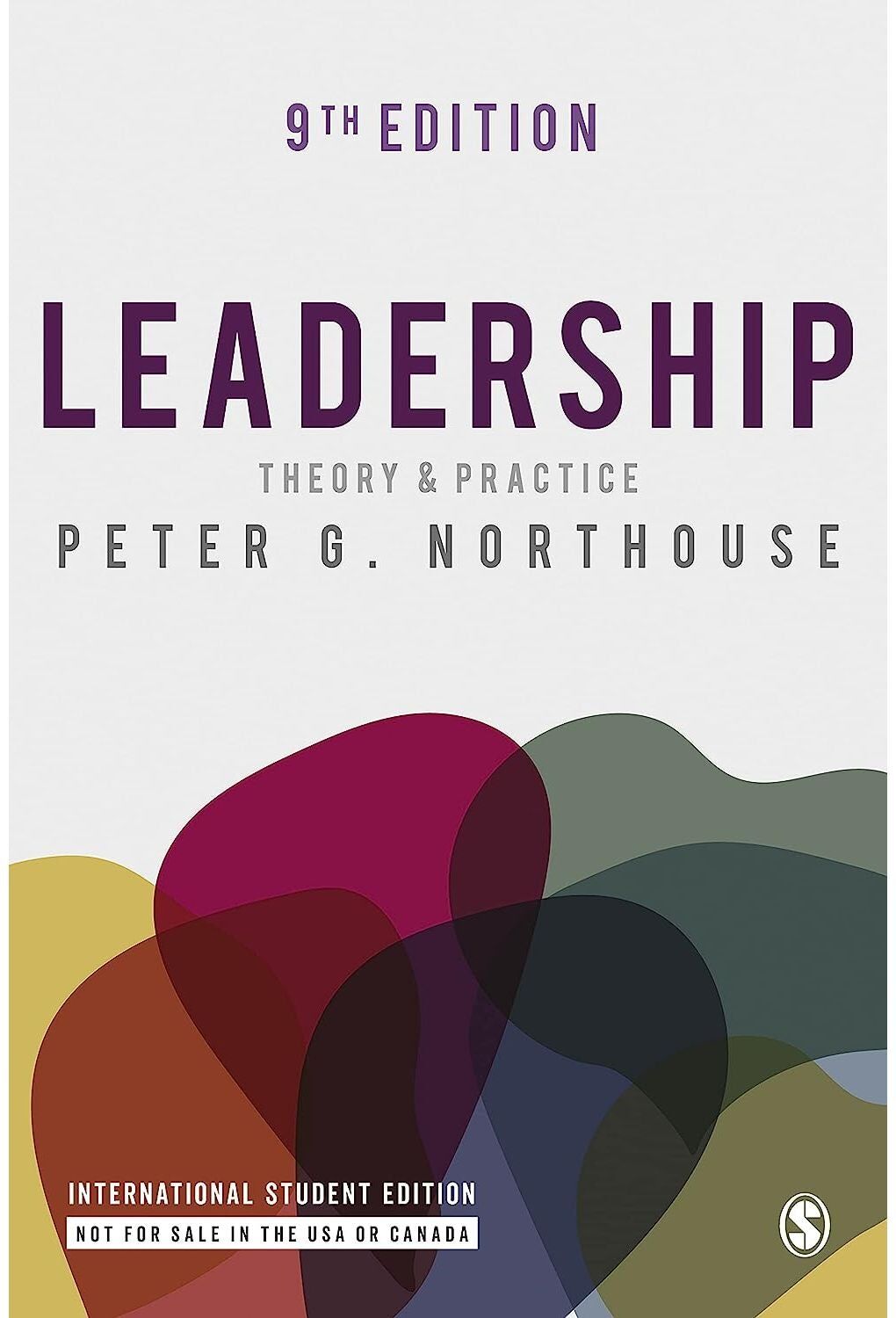
SAGE Publications Leadership - International Student Edition: Theory and PracticeThe market-leading Leadership: Theory and Practice by Peter G. Northouse presents an academically robust account of the major theories and models of leadership with a focus on how theory can inform practice. Case studies and questionnaires provide students with practical examples and opportunities to deepen their understanding of their own leadership style.The fully updated Ninth Edition features a new chapter on inclusive leadership, 17 new real-world cases that profile leaders from across the globe, a new discussion on leadership and morality, and examples of timely issues such as leadership during the COVID-19 pandemic. Key features include: A consistent chapter structure that outlines each approach and the major studies behind them, presents strengths and criticisms for each approach, and provides case studies and a self-assessment questionnaire at the end of each chapter, allowing students to easily compare and contrast the various theories. Three case studies in each chapter help students to apply leadership concepts in real-world scenarios. Self-assessments within each chapter provides self-assessment and reflection opportunities for each theory presented.45,49 £*Shipping: 0,00 £Secure redirect to the provider
-
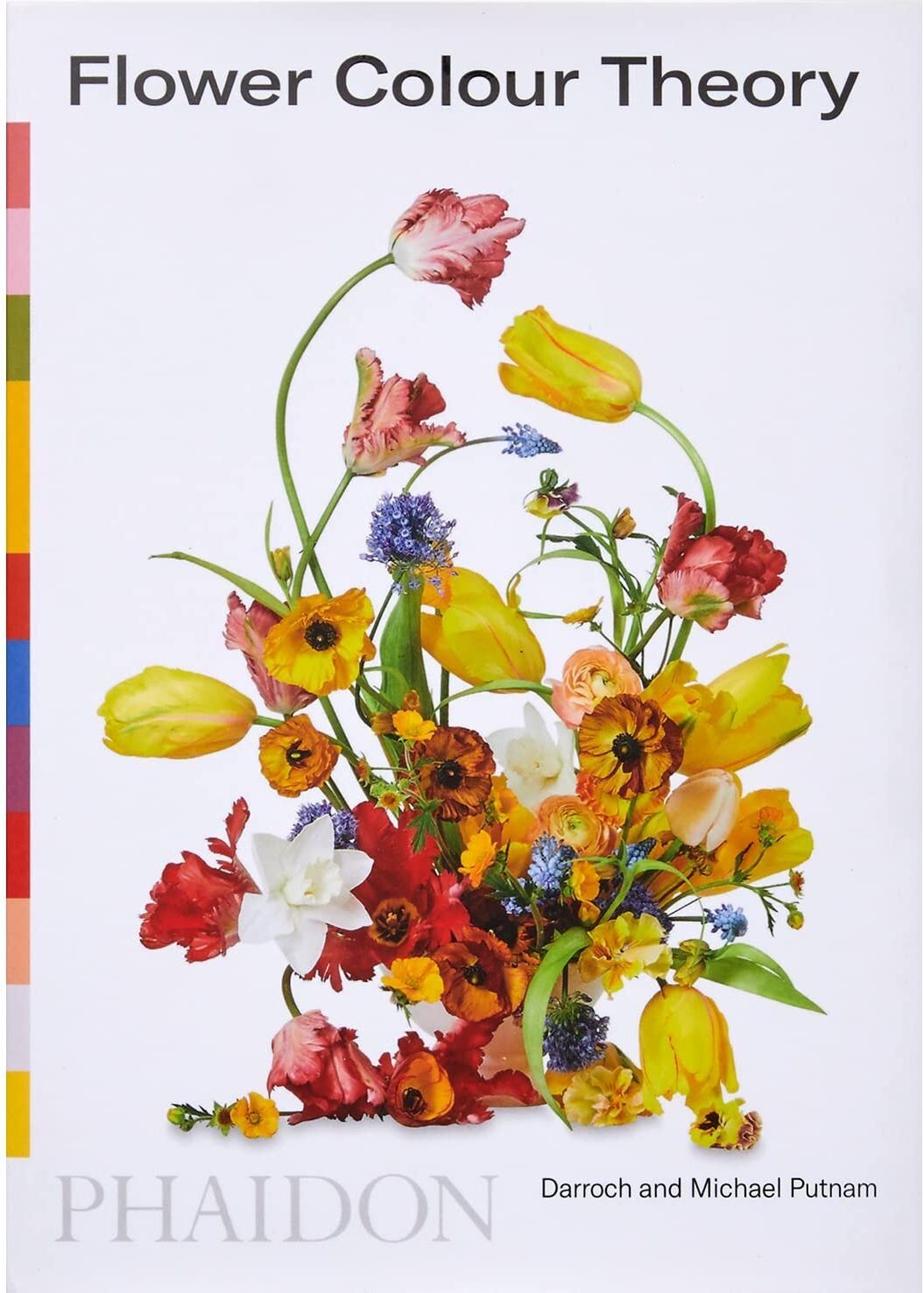
Phaidon Press Flower Colour Theory by Taylor Putnam, Michael PutnamThe ultimate flower-arrangement reference book from New York's 'go-to' floral designers Putnam & Putnam - how to combine the extraordinary colours in nature to create stunning results Cult floral designers Taylor Putnam and Michael Putnam's Flower Colour Theory, the follow-up to their acclaimed globally bestselling debut Flower Colour Guide, is the only guide that uses colour theory as the starting point for floral design. The book features 175 arrangements that show myriad ways to combine flowers of different shades and hues, all built around classic categories including analogous, complementary, monochrome, triadic, transitional, and accent colours. Flower Colour Theory is both inspirational and a practical guide to creating lush, romantic, and effortlessly elegant creations of your own.17,99 £*Shipping: 2,99 £Secure redirect to the provider
-
What are the advantages and disadvantages of Piaget's stage model in theory and practice? Pros and cons.
Piaget's stage model has several advantages in both theory and practice. In theory, it provides a comprehensive framework for understanding the cognitive development of children, emphasizing the importance of active exploration and interaction with the environment. In practice, it has been influential in shaping educational practices, promoting hands-on learning experiences and the importance of scaffolding to support children's development. However, there are also some disadvantages to Piaget's stage model. In theory, some critics argue that the stages are not as discrete as Piaget proposed, and that children's cognitive development may not always fit neatly into his proposed sequence. In practice, some educators may struggle to apply Piaget's ideas in the classroom, finding it challenging to create developmentally appropriate activities for children at different stages of cognitive development. Additionally, some critics argue that Piaget's model may not adequately account for cultural and individual differences in cognitive development. **
-
What are identity theory and competition theory?
Identity theory is a sociological perspective that focuses on how individuals develop and maintain a sense of self and identity through their interactions with others and their social environment. It emphasizes the importance of social roles, relationships, and cultural influences in shaping one's identity. Competition theory, on the other hand, is a perspective that examines how competition for resources, power, and status shapes social relationships and structures. It emphasizes the role of competition in driving social change, inequality, and conflict within societies. Both theories offer valuable insights into the ways in which individuals and societies are shaped by their social interactions and the broader social context. **
-
When do we apply the binomial formula and when do we use the lottery model in probability theory?
The binomial formula is used when we are dealing with a fixed number of independent trials, each with a constant probability of success. This is often used in situations such as coin flips, where each flip has the same probability of landing heads or tails. On the other hand, the lottery model is used when we are dealing with a large number of independent trials, each with a very small probability of success. This is often used in situations such as winning the lottery, where the probability of winning is very low and each draw is independent of the others. **
-
What is Freud's theory of the "instinct model" and how is it related to the psychology of art?
Freud's theory of the "instinct model" is based on the idea that human behavior is driven by two primary instincts: Eros (the life instinct) and Thanatos (the death instinct). Eros drives behaviors related to love, creativity, and self-preservation, while Thanatos drives behaviors related to aggression and self-destruction. In the psychology of art, Freud believed that the creative process is driven by the Eros instinct, as it allows individuals to express their inner desires and emotions through artistic creation. Additionally, Freud suggested that art can serve as a way for individuals to sublimate their aggressive impulses, channeling them into a more socially acceptable form of expression. **
* All prices are inclusive of VAT and, if applicable, plus shipping costs. The offer information is based on the details provided by the respective shop and is updated through automated processes. Real-time updates do not occur, so deviations can occur in individual cases. ** Note: Parts of this content were created by AI.